Crime Scene Cleanup
Crime scene cleaning after police release the property, from blood to odor.
See crime scene cleanupGet blood, bodily fluids, contaminated materials and odor removed after investigators release a home, rental, business or vehicle in King County. The cleanup scope is based on where contamination traveled.
Homicide cleanup is a specialized form of crime scene cleanup that removes blood, bodily fluids and other contaminated materials after investigators finish their work and release the property.
Cleaning the property is not part of the work performed by law enforcement or the medical examiner or coroner, whose attention is on the investigation. After scene release, the homicide cleaning service may be arranged by relatives, a property owner, a landlord or another authorized person.
Cleanup technicians first trace where contamination reached, including areas around the affected room. Unaffected spaces are protected. Materials that cannot be disinfected come out, while surfaces suitable for disinfection receive treatment. This goes beyond routine cleaning and also includes odor removal, proper hazardous waste packaging and disposal, plus insurance company records if requested.
Photos, item lists, scope notes and disposal documents can support conversations with insurance companies and property owners.
You can request unmarked vehicles and limit entry to authorized people, which helps protect privacy during a painful event.
You can ask what will be cleaned, what must be removed, how waste will leave the property and what remains for restoration.
You are consulted about recoverable personal property after it is isolated and before a removal decision occurs.
A homicide cleaning service is needed if a violent death leaves biological material or blood in a vehicle, business, rental or home. Situations that commonly require this work include:
An assessment of seats, insulation, trim and carpet identifies what may remain after cleaning and what needs removal.
A landlord or authorized property manager may arrange scene cleanup after police release the unit and the family removes essential belongings.
A living space, bedroom, hallway and adjacent surfaces may each require blood cleanup after the event.
The affected area can be isolated while offices, stores, warehouses or shared spaces are assessed for contamination.
Respect for the investigation comes first. You should also avoid exposure and retain details that may be useful for a claim. Before cleanup technicians enter, take these steps:
Call (888) 440-9227Published figures for a violent crime scene start with a typical $2,500 to $9,000 per job. Smaller homicide scenes sit at $2,000 to $6,000 while larger scenes reach $3,000 to $10,000 in the same guides. Think of these as planning ranges, not a price quote. Your final scope is set after the assessment.
Published national cost guides are the source for these ranges, rather than an inspection of your property. You learn what your property will cost after the on-site assessment and before any work begins.
Ask about cost: (888) 440-9227A renters, commercial or homeowners policy may cover homicide cleanup costs. The particular policy, nature of the loss and applicable deductible determine coverage.
Have the insurance company identify every needed invoice, photo, item list, disposal record and scope note. Retain everything you send to the insurance company.
Who organizes and pays for the work may depend on ownership, the lease, applicable local law and insurance terms. Landlords and tenants should each speak with an insurer.
Once police release the property, explain the event to your insurer. Ask whether biohazard cleanup, damaged building materials and restoration are included.
Washington's Crime Victims Compensation Program, run by the Department of Labor and Industries, does not pay for crime scene cleanup, so victims of violent crime should ask what it does cover. Insurance is usually checked first.
The remediation process follows a controlled order after scene release. Every step is based on where contamination traveled, which materials can be saved and what waste rules apply.
Technicians check contents, nearby surfaces, possible travel paths and flooring edges after an authorized person identifies the affected areas already known.
Clean rooms are kept apart from the work area. Cleanup technicians rely on proper personal protective equipment and containment controls to keep contamination from being tracked past the scene.
Before detailed cleaning and disinfection, visible bodily fluids and blood are gathered using a method appropriate for each surface.
Removal focuses on the smallest practical area when affected padding, upholstery, drywall, carpet or subfloor cannot be fully disinfected.
Each retained surface receives detailed scene cleaning, then an EPA-registered disinfectant stays wet for its full label contact time.
Once the source is gone, air filtration and targeted treatment can address odor in room air, remaining materials and connected spaces.
Waste containing contamination is labeled, sealed and transported under relevant rules, and disposal records are saved when available.
A final check covers finished work, the agreed return of saved personal property and a list of removed finishes for restoration services.
Call at any time. A homicide cleanup specialist answers, explains the steps and agrees a start time with you.
Serious health risks may remain in bodily fluids, blood and contaminated material out of sight. Those risks can still be present if the visible spot appears dry or limited.
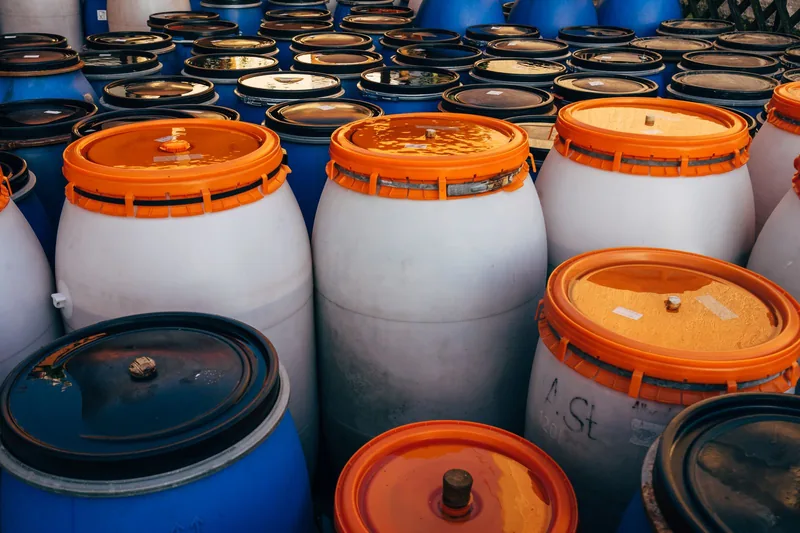
Under applicable medical waste requirements, saturated porous items and worn protective equipment may need regulated packaging, disposal and transport.
Hepatitis C, HIV and hepatitis B may be present in blood. The CDC says hepatitis B can survive on surfaces for at least seven days, so dried blood still requires careful controls.
Fluids may travel into carpet padding, joints, grout, walls and the subfloor. Cleaning the visible mark does not address material below or behind the surface.
Can you clean it yourself? For a minor fresh blood spot on solid material that does not absorb fluids, wear disposable gloves and apply an EPA-registered disinfectant throughout the contact time stated on its label. If blood reached carpet, wood, fabric, drywall or an area with unclear edges, keep away and seek professional cleanup.
Porous material usually comes out after it absorbs blood. Non-porous surfaces can often be kept, provided that every exposed section is accessible and can be disinfected.
The schedule depends on scene size, the depth of contamination, the number of rooms, scene access and the amount of material that must be removed. You can get a more useful timeline after the initial assessment.
| Scene | Typical time on site |
|---|---|
| A small affected area on reachable surfaces | Schedule set after inspection and scene release |
| One affected space containing absorbent materials for removal | May require cleaning plus a separate restoration phase |
| Several rooms or structural contamination | Typically requires work in stages followed by a longer restoration |
Odor cannot be corrected with fragrance alone when fluids remain absorbed in drywall, hidden cavities, carpet, furniture or subfloor. The source must be located and removed first.
After affected material has been removed, HEPA air scrubbers may be used to capture airborne particles. In an occupied setting, hydroxyl treatment may be appropriate if allowed by the equipment instructions. Ozone can only be used under strict controls with the treatment space empty. Cleaning may also include an inspection of adjacent rooms and vents before you move ahead.
The full homicide cleanup guide covers what is cleaned or removed, odor and air quality work, and the rules that apply in Washington and King County.
Read the full homicide cleanup guidePlanning for access, containment and cleanup can depend on local population, housing and entry conditions.
At roughly 3.6 miles away, Valley Medical Center is the closest listed hospital for urgent care after a cut, puncture, or exposure.
Rainier View sits close to Rainier Beach, Tamill, and South Beacon Hill. The exact address helps avoid mix-ups with similar street names in neighboring communities.
A neighborhood address can differ from its broader city label, making the full street and unit information important for discreet cleanup access.
Ask on the call about cleanup options for neighboring communities and ZIP codes.
Crime scene cleaning after police release the property, from blood to odor.
See crime scene cleanup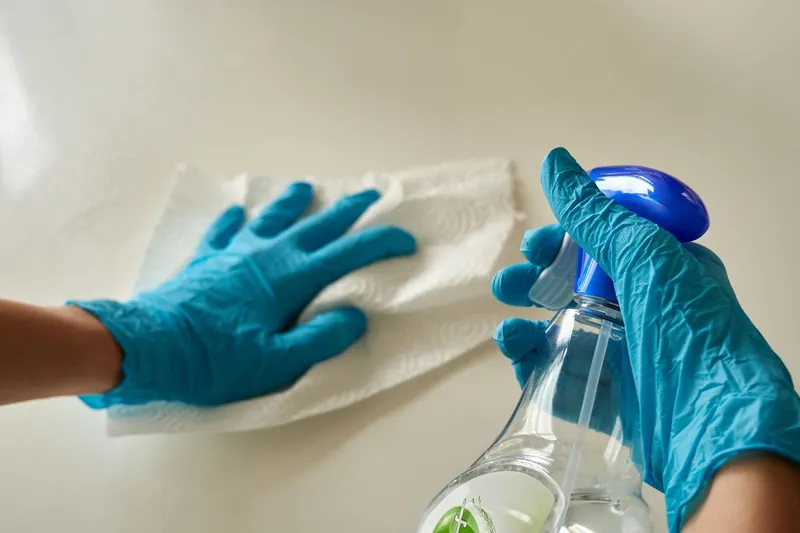
Walls, carpets, furnishings and hard floors receive blood cleanup, with safe disposal afterward.
See blood cleanup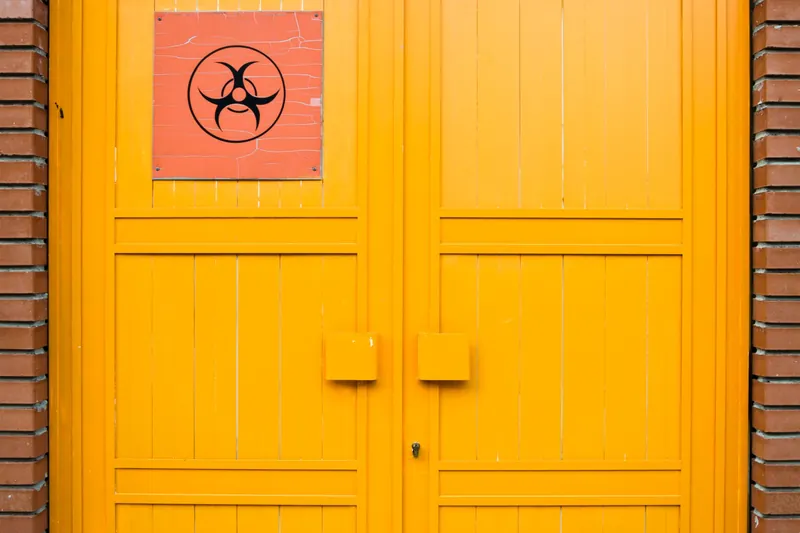
Following accidents, violence or injuries, trauma scene cleanup addresses the affected area.
See trauma scene cleanup
Fluids, odor and impacted belongings are addressed when a home is cleaned after a death.
See death cleanup
Suicide cleanup is completed privately and with care, protecting families from seeing the scene.
See suicide cleanup
Cleanup when a death went unnoticed for days, with decomposition and odor control.
See unattended death cleanup
Forensic cleaning of blood, tissue, fingerprint powder and investigation residue.
See forensic cleaning
Death odor removal targets the source through ozone treatment, hydroxyl and air scrubbers.
See death odor removalA homeowners policy may cover death cleanup or homicide scene cleanup, but the answer depends on the event, exclusions, deductible and policy language. Before work starts, contact the insurance company. Check which exact records you need before work begins, along with policy terms for affected materials, personal property, restoration and biohazard cleanup.
Yes. Different property conditions can be present in each, although both qualify as death cleanup and trauma scene cleanup. Evidence-processing material may remain at a homicide scene, which is controlled by law enforcement until formal release. An unattended death often involves decomposition and wider odor concerns because time passed before the person was found.
Yes, different hazards can affect the same location. When evidence controls no longer apply, hoarding cleanup services may begin for the property's heavy contents. A sewage backup may make sewage cleanup necessary, while resulting water damage might also need drying. Containment, disposal and the cleaning process must each be planned for the specific hazard.
A typical violent crime scene cleanup is listed in published guides at $2,500 to $9,000. While the smaller range is $2,000 to $6,000, costs for a larger scene are listed at $3,000 to $10,000. Scene size, depth, room count, disposal and police release affect the final scope.
Once release comes from the medical examiner or coroner and law enforcement, cleanup is arranged by an authorized owner, landlord, relative or manager. Homicide cleaners may address hazardous waste removal, odor control, disinfection, blood cleanup and biohazard remediation. Police conduct the investigation, but the cleaning service is not part of their work.
A policy may pay covered costs in full or in part once the deductible applies, but coverage is not identical for every situation. Give the insurance company the claim details and ask about emergency response work, biohazard cleanup, building materials and restoration. Retain all photos, work notes, bills and waste records.
Crews carry out respectful, discreet homicide cleanup, arrive in unmarked vehicles and take calls 24 hours a day.